The Roots Method
A nervous system-led approach to Pilates, built on the belief that the body should be understood before it is pushed.
A Letter from Latesha
A space for listening before pushing.
Hi, I'm Latesha.
If you're here, chances are something in you is looking for more than another workout. Maybe you're tired in a way rest hasn't fixed. Maybe you're holding more than you've said out loud. I built this space because I've been there too, and because movement, breath, and stillness are what brought me back to myself.
I've spent years in front of a camera and years on a mat, and somewhere between the two I learned that the body doesn't lie, even when we do. It holds what we haven't processed. It remembers what we've tried to forget. My work now is helping people listen to that, gently, without rushing them somewhere they're not ready to go.
This page is where I want to share a little of where all of this comes from, not just my own story, but the lineage I'm part of. Because Roots Method didn't start with me. It started with people who believed the body deserved to be understood before it was pushed, and I'm honoured to be continuing that work.

The Roots of Roots Method
Pilates wasn't built for the elite. It was built by a sick child. Joseph Pilates was born in Germany in 1883, a frail boy battling asthma, rickets, and rheumatic fever. Rather than accept a weak body, he rebuilt it, throwing himself into gymnastics, wrestling, boxing, and bodybuilding. That determination followed him to England in 1912, where he worked as a boxer, circus performer, and self-defense trainer. When World War One broke out, he was interned as a German national on the Isle of Man. It was there, teaching fellow internees and rigging bed springs into makeshift resistance equipment, that his method, which he called Contrology, was born.
He carried that work to New York in 1923, opening a studio with his wife Clara that became a home for dancers seeking rehabilitation and strength. Over the decades he invented the equipment still used today, the Reformer, the Cadillac, the Wunda Chair, and developed over six hundred mat exercises, teaching hands-on until his death in 1967.
Contrology, 1918
New York, 1923
The Pilates Elders
After Joseph passed, it was his closest students, later known as the Pilates Elders, who carried his work forward. Among them was Kathy Grant, one of only two people ever personally certified by Joseph himself. A dancer sidelined by injury, she found Contrology through her own healing, and went on to lead programs at NYU and the Dance Theater of Harlem for over fifty years.
Kathy believed you had to know your body before you pushed it, awareness before strength, breath before movement. That belief is the same one at the heart of Roots Method. Healing from the roots up means understanding what your body holds before asking more of it.
Your roots still hold.
Awareness before strength
Breath before movement
How Roots Method Carries This Forward
The principles, made visible.
Joseph Pilates built his method on six core principles: concentration, control, centering, precision, breath, and flow. Every class I teach still lives inside those principles, but I've built a bridge between them and the nervous system work I believe is just as essential.
Before we ever move, we breathe. Every class opens with breathwork, because Joseph knew what modern nervous system science now confirms, the body cannot access control or precision while it's dysregulated. You have to come home to your breath before you can come home to your body.
From there we move into the classical repertoire itself, concentration and centering in practice, building strength with intention rather than rushing through repetitions. And we close every class the way Kathy Grant taught her students to begin theirs, with stillness, sometimes with sound, giving the body a chance to integrate what it just did rather than rushing back out the door.
That's the heart of Roots Method. It isn't classical Pilates with extras bolted on. It's classical Pilates practiced the way its own lineage always intended, breath first, awareness before strength, and rest as part of the work, not a reward for finishing it.
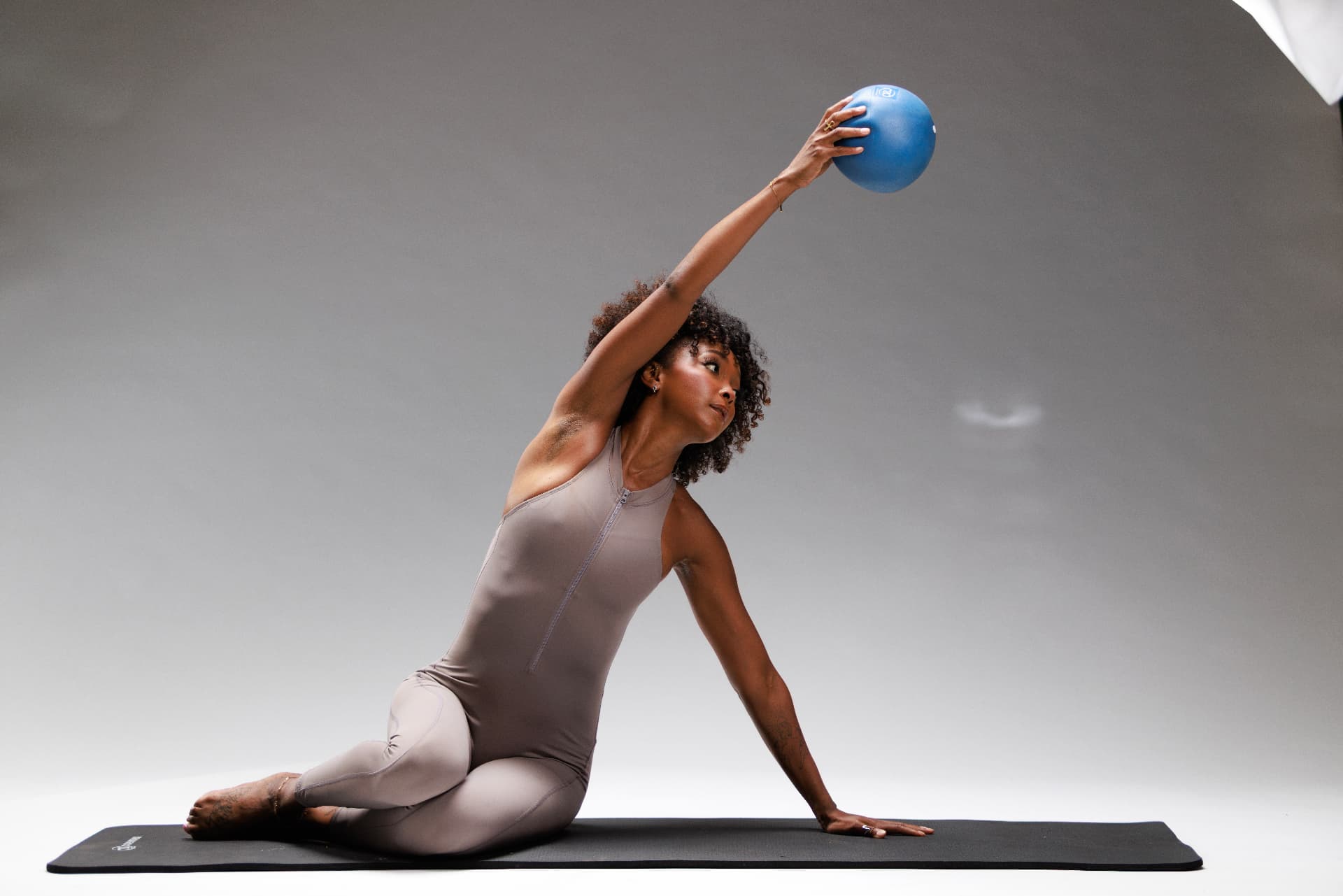
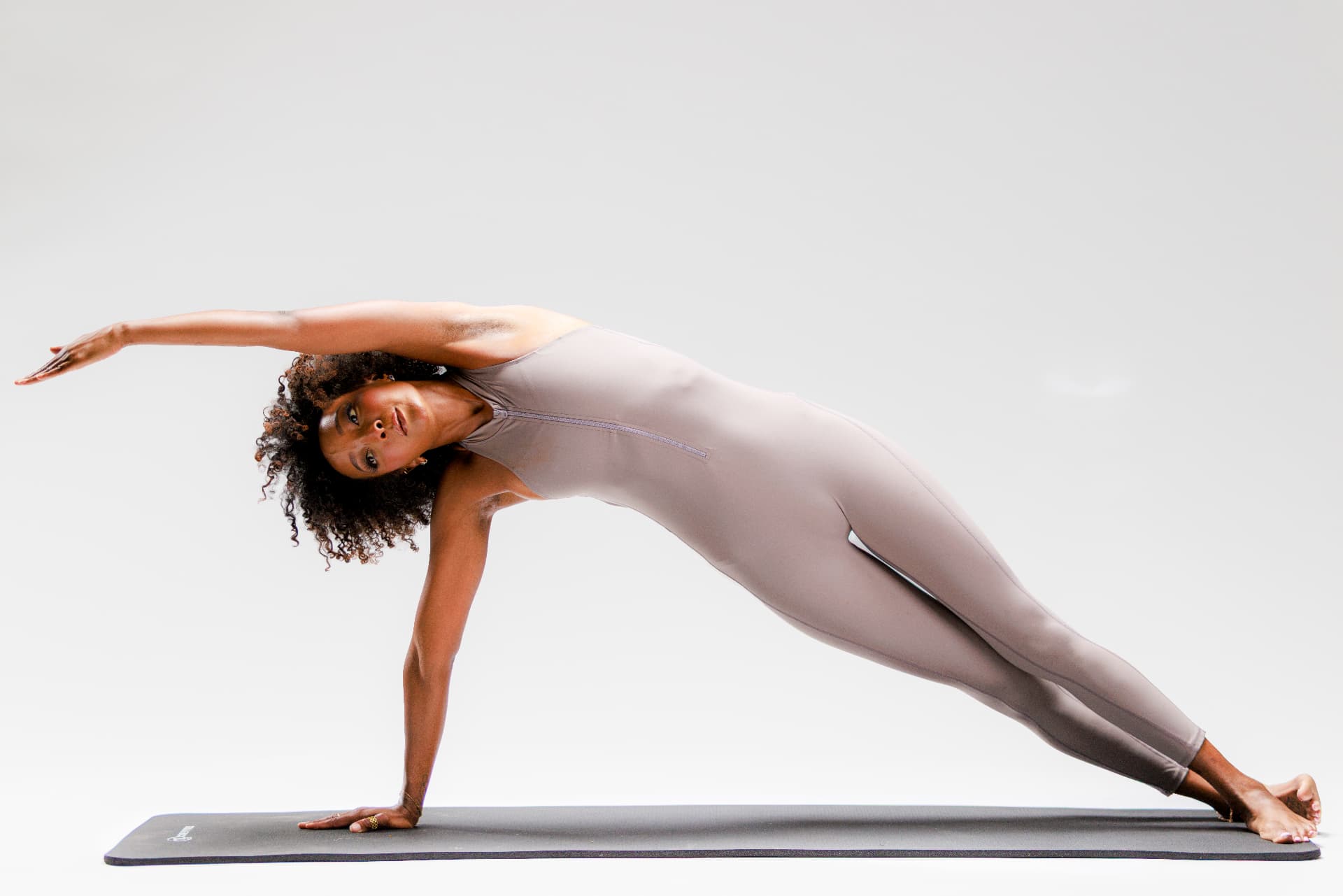
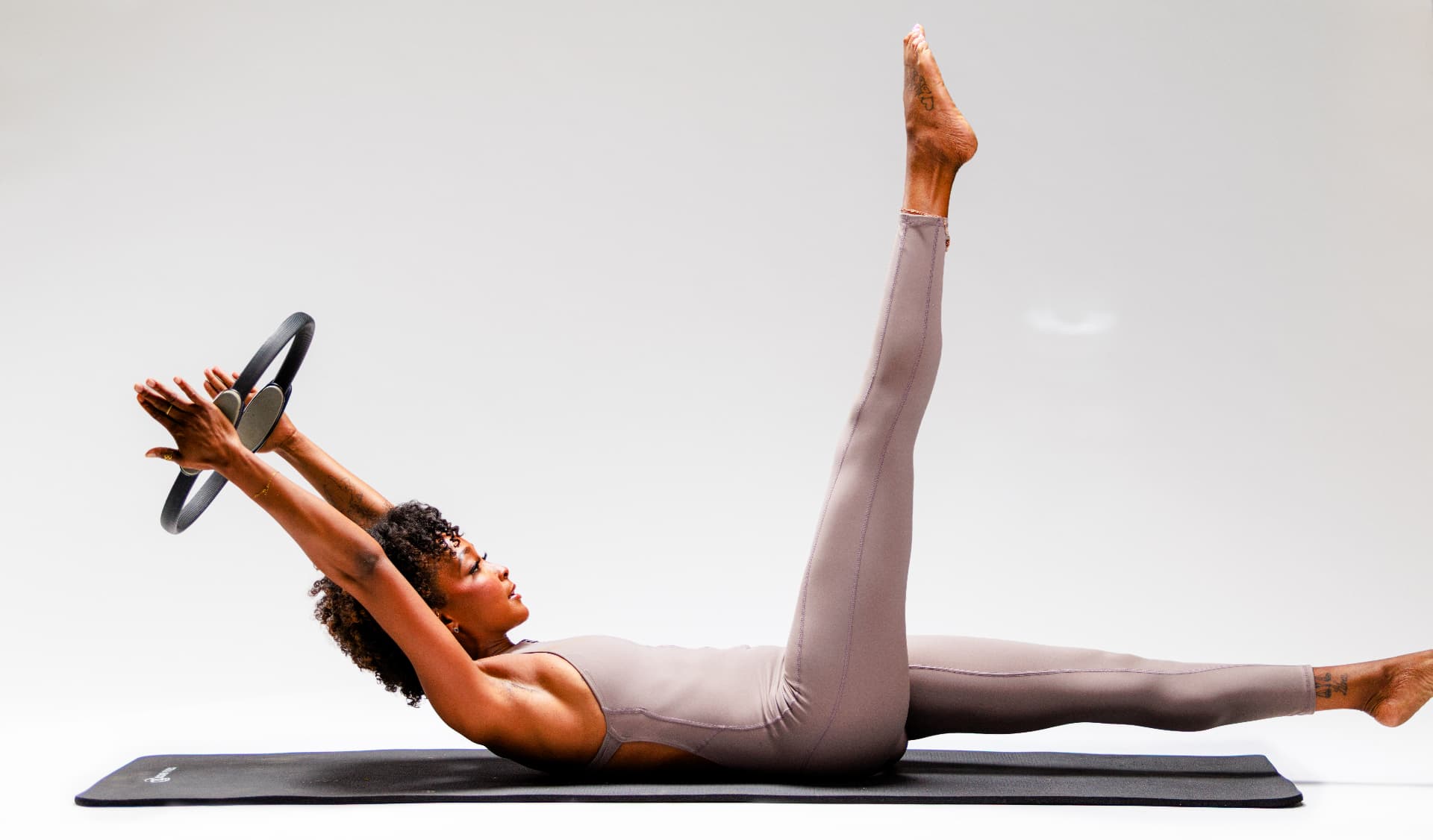
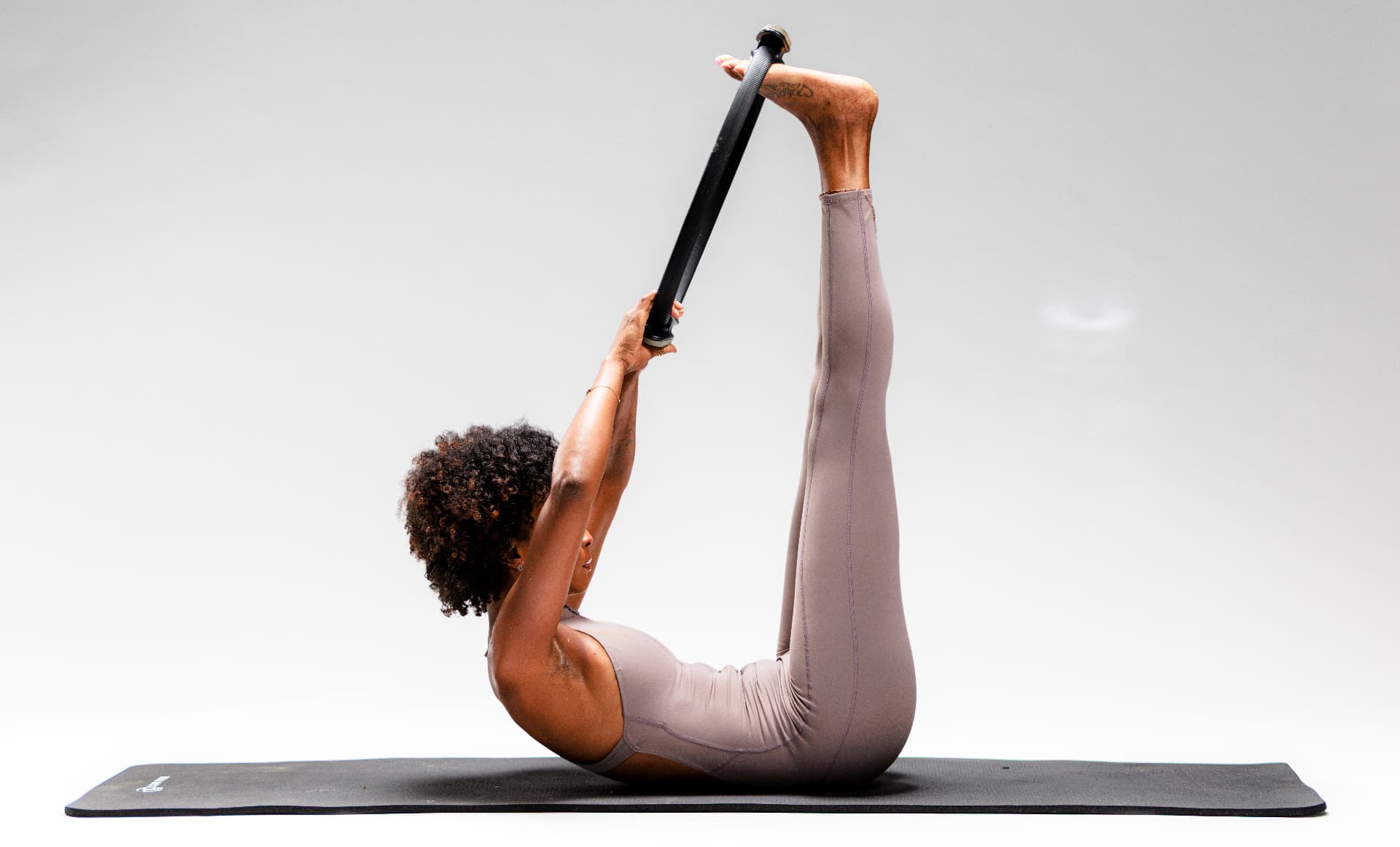
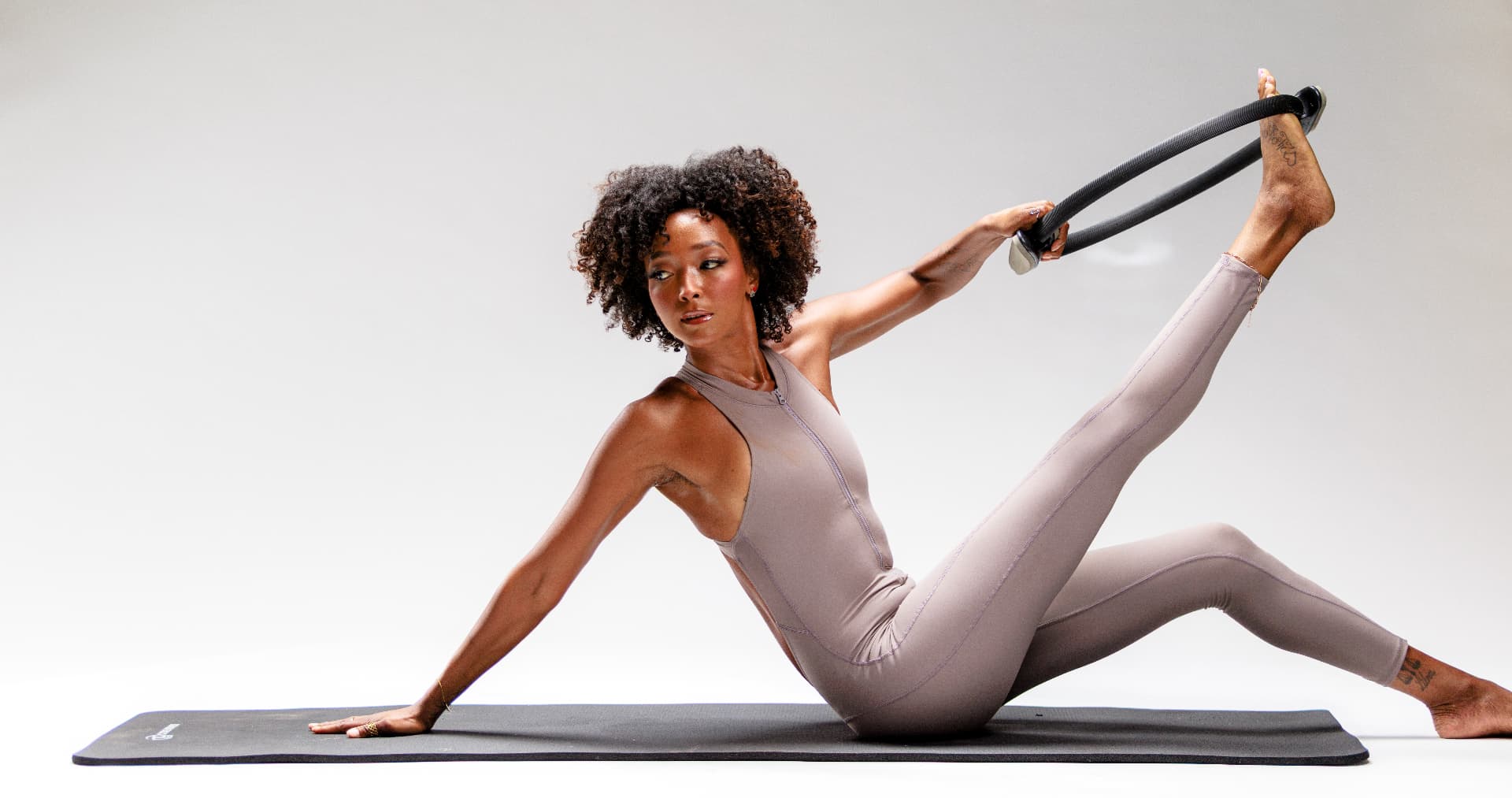
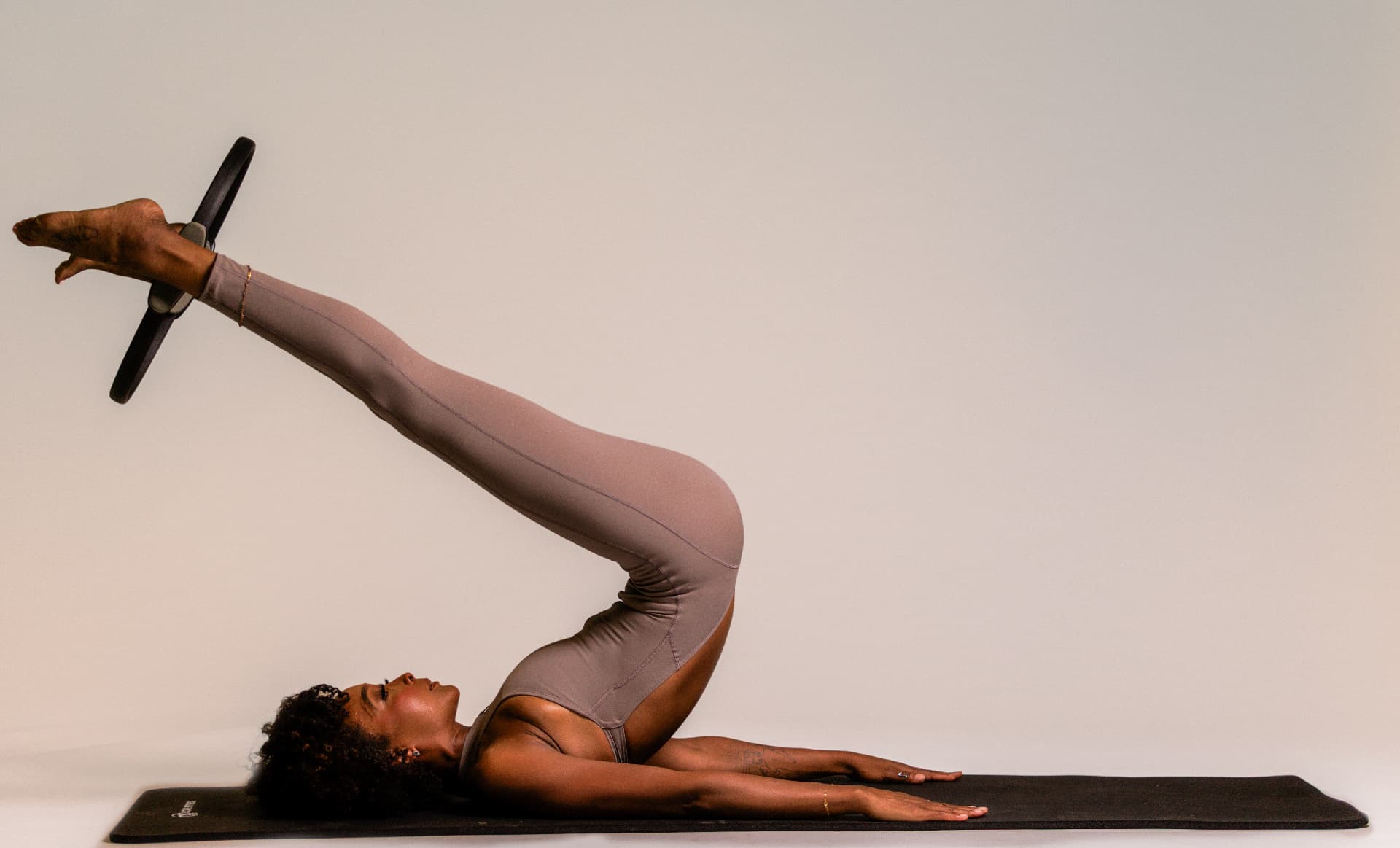
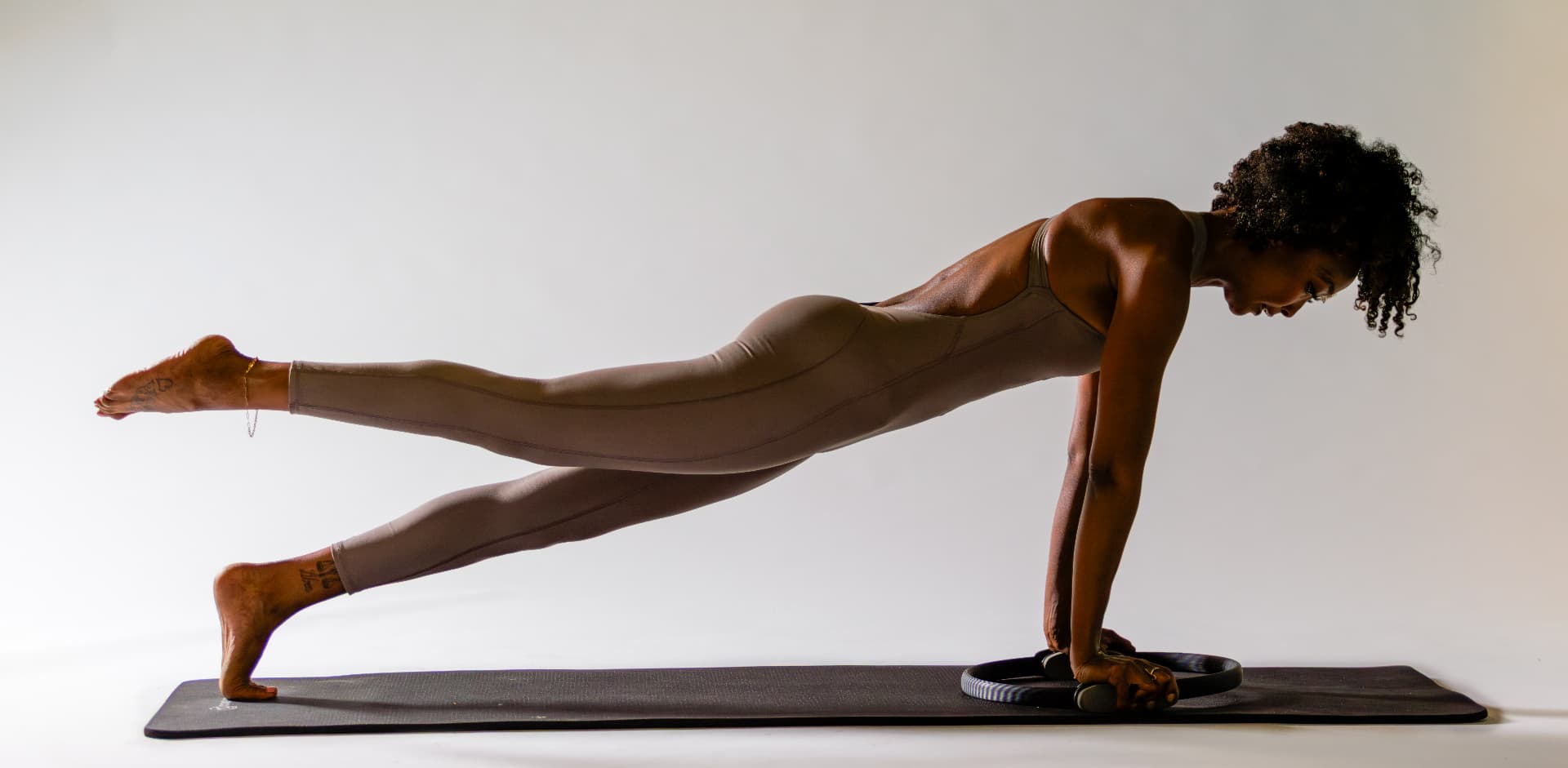
Concentration. Control. Centering. Precision. Breath. Flow.
However far you have travelled, the way back is still one breath long.
Explore the classes, book a session, or send a message and we will sort it together.